×
Select Your Country
 International

×
Select Your Country
International
International Current


 +91 7338558886
Orthopaedics
Orthopaedics (Joints & Trauma)
11 December, 2025


Many international patients believe that surgery alone will resolve the problem. However, medical science shows that physiotherapy for post-surgery recovery is essential to regain strength, restore movement, and prevent complications. Surgical procedures may correct a condition, but it is physiotherapy that helps patients return to normal activities.
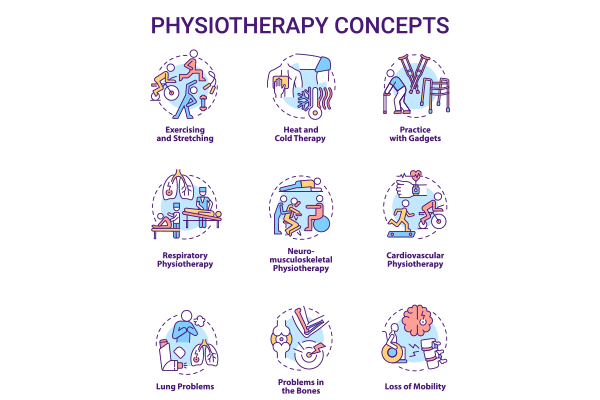
Restores mobility and flexibility
Strengthens weakened muscles
Reduces swelling, pain, and stiffness
Improves balance and walking ability
Prevents muscle degeneration
Enhances cardiovascular and lung capacity
Accelerates a return to daily activities.
Without proper post-operative rehabilitation, patients may experience delayed recovery, long-term physical limitations, dependence on others for daily tasks, and a reduced quality of life.
Prehabilitation prepares the body for surgery. Tailored exercises improve muscle strength, lung capacity, and joint stability, helping patients tolerate surgical stress better. Studies show that patients who undergo prehabilitation recover faster and experience fewer complications.
After the operation, physiotherapy focuses on pain control, mobility training, functional recovery, and long-term independence. Post-operative physiotherapy protocols vary by surgery type, but all aim to restore normal function quickly and safely.
Both phases are essential for a strong and stable recovery.
India is now a global destination for rehabilitation services due to its clinical excellence, affordability, and multidisciplinary approach. Patients from the Middle East, Africa, CIS countries, Europe, and Asia often choose India because:
India hosts advanced rehabilitation units equipped with:
Robotic rehabilitation systems
Gait training devices
Hydrotherapy pools
Electrotherapy modalities
Pulmonary rehabilitation equipment
High-performance therapy gyms
Physiotherapists in India are trained to manage complex post-surgery cases, such as:
Joint replacement
Spine surgery
Neurological surgery
Cardiac surgery
Sports injuries
Trauma and reconstructive surgery
Their expertise ensures safe and personalised recovery after surgery.
Compared to Western countries, India provides high-quality care at significantly lower costs, without compromising on standards.
Patients benefit from:
Physiotherapy
Occupational therapy
Speech therapy
Dietary counselling
Clinical psychology
Pain management
Lifestyle modification programmes
This integrated approach ensures comprehensive rehabilitation.
Rehabilitation programmes depend on the type of surgery, age of the patient, underlying conditions, and mobility levels. A typical recovery pathway includes:
Techniques include:
Ice therapy
Manual therapy
Ultrasound therapy
Electrotherapy
Compression
These help reduce discomfort and promote faster tissue healing.
Depending on the surgery, movement often begins within 24–48 hours. Early mobilisation prevents blood clots, improves lung function, and starts the journey towards independence.
Physiotherapists gradually introduce:
Core stability exercises
Muscle-strengthening routines
Joint movement patterns
These restore stability and function.
Specialised devices and guided training sessions help patients recover safe walking patterns, reduce fall risk, and improve coordination.
Especially required after:
Lung surgery
Prolonged hospital stays
Breathing exercises enhance lung capacity and oxygen levels.
This includes:
Climbing stairs
Sitting and standing transitions
Household activities
Work-related movement patterns
The goal is to return patients to full independence.
Lifestyle modification is one of the strongest pillars of long-term healing. International patients must follow the guidance provided by their physiotherapists and rehabilitation specialists.
A balanced diet ensures tissue repair, energy restoration, and immunity enhancement. Key components include:
Lean proteins
Whole grains
Fruits and vegetables
Omega-3-rich foods
Adequate hydration
Patients are advised to:
Avoid overexertion
Follow graded activity plans
Maintain consistency with home exercises
Prioritise sleep and rest
After surgery, weight gain or obesity may slow recovery and increase stress on joints. Physiotherapists create safe exercise routines tailored to the patient's body type.
Rehabilitation also addresses:
Anxiety
Fear of movement
Post-operative depression
Counselling and guided therapy improve motivation and confidence.
To prevent recurrence or further complications, patients must:
Maintain good posture
Avoid smoking and excessive alcohol
Follow ergonomic practices
Continue exercise even after recovery
These changes ensure lifelong wellness and improved quality of life.
Total hip replacement
ACL reconstruction
Spine surgery
Shoulder arthroscopy
Rehabilitation restores joint mobility, strength, and functional independence.
Stroke rehabilitation
Spinal cord injury
Nerve repair procedures
Therapy focuses on retraining the brain and muscles to work together again.
Valve replacement
Congenital heart disease correction
Cardiac rehabilitation improves heart function, endurance, and lung capacity.
Patients often experience weakness, fatigue, and stiffness; physiotherapy helps restore physical function and resilience.
Specialised rehabilitation is essential for children recovering from:
Developmental surgeries
Neuro-orthopaedic procedures
Corrective surgeries
Every patient is unique. A one-size-fits-all rehabilitation plan can slow recovery or even cause complications. Physiotherapists in India develop customised plans based on:
Type of surgery
Pain levels
Range of movement
Strength deficits
Co-existing medical conditions
Patient lifestyle and goals
Personalised plans ensure safer and faster progress while preventing re-injury.
Physiotherapy and rehabilitation are essential parts of recovery after surgery for international patients. Whether it involves orthopaedic, neurological, cardiac, or oncological procedures, structured therapy ensures patients regain strength, mobility, and confidence. With advanced medical infrastructure, expert therapists, and personalised rehabilitation programmes, India has become a leading destination for rehabilitation services and post-surgery physiotherapy.
Manipal Hospitals Global provides world-class rehabilitation care tailored to the needs of international patients. For expert pre- and post-surgery physiotherapy and holistic guidance, connect with our global patient services team and begin your journey to safe, successful, and comprehensive recovery.

Physiotherapy is crucial because it restores muscle strength, mobility, flexibility, balance, and functional independence after an operation. It prevents complications like stiffness, deep-vein thrombosis, and poor posture. Continuous guidance speeds up healing, reduces pain, and ensures patients regain their normal lifestyle safely and effectively.
Rehabilitation often begins within 24–48 hours of surgery, depending on your doctor's advice. Early mobilisation prevents blood clots, improves lung function, reduces pain, and ensures quicker recovery. Starting physiotherapy under expert supervision helps patients regain mobility faster and minimises long-term complications or functional limitations.
Post-surgery physiotherapy includes pain management, breathing exercises, mobility training, strengthening routines, balance and gait training, and functional activity practice. The therapist creates a personalised programme based on your surgery type, recovery goals, and current health status to ensure a safe and effective healing journey.
Rehabilitation duration varies depending on the type of surgery, your overall health, and your commitment to therapy. Some patients recover within weeks, while others may require several months. Consistency with prescribed exercises, lifestyle changes, and follow-ups significantly improves outcomes, ensuring a smoother and quicker return to normal activities.
India offers world-class rehabilitation centres, advanced technology, experienced physiotherapists, and comprehensive multidisciplinary care at an affordable cost. International patients benefit from personalised treatment plans, shorter waiting periods, holistic recovery programmes, and globally recognised clinical excellence for all types of post-surgical healing and rehabilitation.


.png)


.png)
.png)
.png)

.png)